
Blog
Tongkat Ali Energy After 60: Does It Actually Work?
Tongkat Ali for energy after 60: what extract research can and can't show, why fatigue needs a proper check, medicine cautions, and how to try root tea.
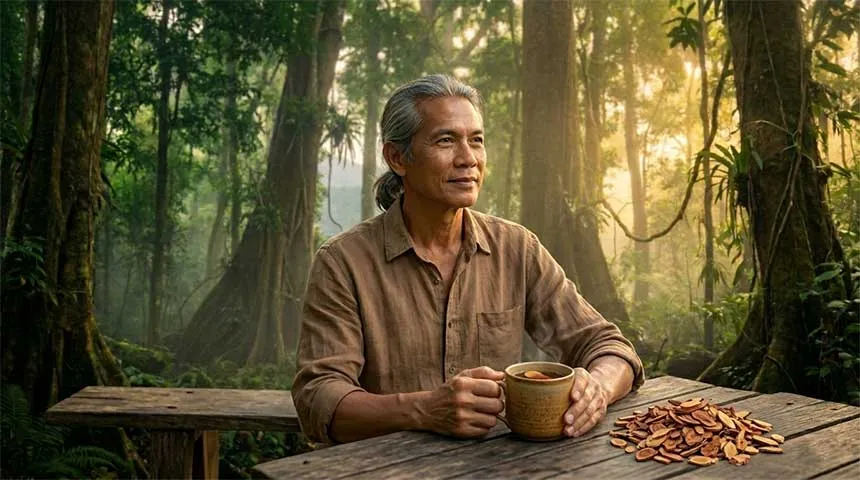
Does Tongkat Ali help energy after 60? There's no verified evidence that our brewed root tea improves energy in adults over 60. New, persistent, or worsening fatigue should be assessed rather than automatically attributed to ageing or low testosterone.
“Energy” can mean alertness, motivation, exercise capacity, or simply not feeling sleepy — different experiences with different possible causes, so a product can’t be evaluated sensibly until the concern is described more precisely.
Fatigue Is a Symptom, Not a Diagnosis
Low energy is often dismissed as “just getting older,” but possible contributors include disrupted sleep or sleep apnoea, anaemia, thyroid disease, diabetes, infection or recovery from illness, heart or lung conditions, pain and reduced activity, depression or isolation, and effects of prescription medicines. This isn’t a self-diagnostic list — it explains why treating fatigue with a tea can delay finding the actual reason. Contact a clinician when fatigue is new, unexplained, persistent, or affecting normal activity; seek urgent care for fatigue with severe chest symptoms, fainting, marked breathlessness, or confusion.
What Tongkat Ali Research Can Tell Us
Human research on Eurycoma longifolia has generally tested selected standardized extracts, not brewed root slices. A 2022 systematic review found a possible testosterone-related signal while noting variation and the need for stronger research: PubMed 36013514. This doesn’t establish that root tea improves fatigue, alertness, or daily functioning after 60 — a testosterone-related lab result isn’t the same as a meaningful energy benefit. See our testosterone science page for more detail.
The boundary is extract study, root tea, and this batch as three separate things. We sell our slices as a food for tea and don’t publish a batch certificate of analysis, DNA identification, or measured eurycomanone concentration — colour, bitterness, and origin can’t demonstrate identity or clinical effect. See what we test.
Energy, Sleepiness, and Exercise Intolerance Are Different
Daytime sleepiness may point to inadequate sleep or sleep apnoea; general fatigue may feel like heaviness or lack of motivation; exercise intolerance can involve breathlessness or unusual decline in capacity. A stimulating sensation could temporarily mask sleepiness without treating its cause, so someone with new exercise intolerance shouldn’t test whether a herbal drink solves it before seeking assessment. If loud snoring, witnessed breathing pauses, or severe daytime sleepiness are present, discuss possible sleep apnoea with a clinician.
Medicines Deserve Careful Review
After 60, many people take more than one prescription, and reliable interaction data for brewed Tongkat Ali root is insufficient. Ask before use if you take medicines for the heart, blood pressure, clotting, diabetes, sleep, mood, immunity, or hormones, or have liver, kidney, cardiovascular, or endocrine conditions. Uncertainty about interaction isn’t proof of safety — see our fuller side-effects guide.
If You Choose to Drink Root Tea
Treat it as an optional food, not a treatment or stimulant: don’t postpone assessment of unexplained fatigue, don’t start multiple new products together, don’t copy an extract dose or convert it into slices, and stop if sleep, mood, or digestion worsens. There’s no required first-day feeling and no honest two- or four-week promise.
Bottom Line
Adults over 60 deserve an explanation for persistent fatigue, not a stronger supplement promise. Current extract research doesn’t establish an energy benefit for our root tea. Use the evidence index to check claims, and prioritise medical assessment when energy changes are significant.
Educational information, not medical advice. This product has not been evaluated by the FDA and is not intended to diagnose, treat, cure, or prevent any disease.
Frequently asked questions
Is Tongkat Ali a stimulant?
Does it treat age-related fatigue?
How long should I wait for an energy effect?
Who should not drink Tongkat Ali tea?
Where can I buy Red Tongkat Ali root slices in the USA?
Ready to brew the real root?
500g, 1kg or 2kg of Malaysian Red Tongkat Ali root slices — tracked shipping to the USA included. Pay by card or USDT (5% off).
Shop root slicesLost or damaged? Free reship · Secure Stripe checkout · One-time purchase, no subscription