Research October 26, 2025 · 9 min read

Tongkat Ali and Testosterone: What the Clinical Research Actually Shows (2026 Review)

A clear-eyed review of the clinical research on Tongkat Ali and testosterone — what the studies actually found, their real limitations, who benefits most, and what it means for men and women over 40.

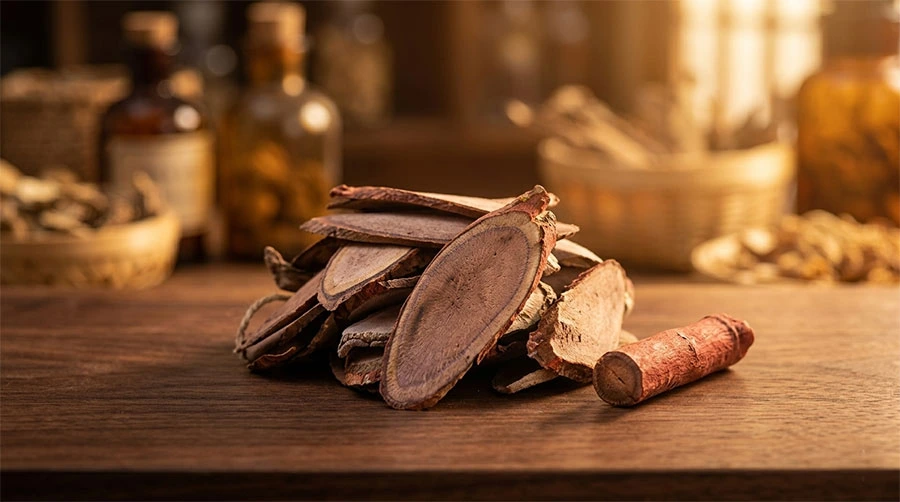
Scientific research concept showing natural testosterone support with Tongkat Ali root from Pahang Malaysia

Tongkat Ali and testosterone — few topics in natural health generate more interest, more hype, and more outright misinformation.

Some supplement sellers make extravagant claims. Skeptics dismiss it as “snake oil.” Neither position holds up against the actual scientific record, which is more nuanced — and more compelling — than either extreme suggests.

This is an honest, complete review of what the clinical research actually shows — written for adults who want real answers, not marketing copy.


Why Testosterone Matters After 40 — For Both Men and Women

Before diving into the studies, it helps to understand why testosterone is relevant for adults over 40 — not just men.

Testosterone is a master regulator of several core functions:

  • Energy and physical drive — persistent fatigue and low motivation are among the first symptoms of declining levels
  • Muscle mass and bone density — both decline more rapidly as testosterone falls
  • Sexual function and libido — in both men and women
  • Mood and cognitive sharpness — low testosterone is associated with irritability, low mood, and brain fog
  • Body composition — lower testosterone correlates with increased fat accumulation, particularly around the abdomen

After age 30–35, men lose approximately 1–2% of testosterone per year. Women experience a sharper proportional decline through perimenopause. By their 50s and 60s, many adults are feeling the cumulative effects of years of gradual hormonal decline — even when levels remain technically “within normal range.”

This is precisely the population that Tongkat Ali (Eurycoma longifolia) research has increasingly focused on.


What Is Tongkat Ali? A Quick Background

Tongkat Ali is a flowering plant native to Southeast Asia — Malaysia, Indonesia, and Vietnam. In Malaysia, where the most clinically significant research originates, it has been used as a traditional tonic for centuries, typically prepared as a boiled root decoction.

The root contains several bioactive compounds — most notably eurycomanone, glycosaponins, and eurypeptides — that are believed to drive the observed hormonal effects. Modern clinical research has focused primarily on standardised water-soluble extracts derived from the root.


The Clinical Studies: What Each One Found

Study 1: Hamzah & Yusof (2003)

Journal: British Journal of Sports Medicine

Men supplementing with Tongkat Ali extract for five weeks during a structured resistance training programme showed significantly greater improvements in lean body mass and muscular strength compared to placebo. Testosterone levels rose alongside these physical improvements.

Limitations: Small sample (14 participants), short duration.
What it tells us: An early but meaningful indication that hormonal effects translate into measurable physical outcomes — not just numbers on a lab report.


Study 2: Tambi et al. (2012)

Journal: Asian Journal of Andrology

76 men diagnosed with late-onset hypogonadism (clinically low testosterone due to aging) took a standardised Tongkat Ali extract for one month. The proportion of subjects with testosterone in the normal range rose from 35.5% to 90.8%. Free testosterone and sexual health scores both improved significantly.

Limitations: No placebo control group — a meaningful methodological gap.
What it tells us: One of the most-cited studies for men with low testosterone. The magnitude of improvement is striking, though the absence of a placebo arm limits firm conclusions. Still, the effect size is difficult to explain away.


Study 3: Talbott et al. (2013)

Journal: Journal of the International Society of Sports Nutrition

This study is particularly significant for two reasons: it included both men and women (63 adults under moderate psychological stress), and it was placebo-controlled. After four weeks:

  • Cortisol levels: reduced by 16%
  • Testosterone levels: increased by 37%
  • Self-reported mood, anger, confusion, and tension: all significantly improved versus placebo

The cortisol pathway: This study highlights a mechanism that often goes under-discussed. Cortisol and testosterone have an inverse relationship — when cortisol is chronically elevated (as is common in stressed, busy adults), testosterone production is suppressed. By reducing cortisol, Tongkat Ali creates a hormonal environment more favourable to the body’s own testosterone output. This mechanism applies equally to men and women.

What it tells us: The most directly relevant study for stressed, middle-aged adults of both sexes — and the strongest evidence for the adaptogenic model of how Tongkat Ali works.


Study 4: George et al. (2021)

Journal: Phytotherapy Research

The most methodologically rigorous study to date: a randomised, double-blind, placebo-controlled trial in 105 men aged 50–70. After 12 weeks of standardised Tongkat Ali extract:

  • Total testosterone: significantly increased
  • Free testosterone: significantly increased
  • Sexual performance scores: significantly improved
  • Fatigue: significantly reduced
  • Quality of life: improved versus placebo

Limitations: Conducted in Malaysia; male participants only; used a standardised extract, not raw root.
What it tells us: This is the strongest evidence currently available that Tongkat Ali benefits the specific demographic most likely to be looking for answers — men in their 50s and 60s experiencing age-related decline.


The Cortisol Connection: The Most Underappreciated Finding

The Talbott 2013 cortisol findings deserve more attention than they typically receive.

Chronic stress — endemic to modern adult life — keeps cortisol persistently elevated. Chronically elevated cortisol suppresses testosterone production at the hypothalamic-pituitary axis. The result is a feedback loop: stress reduces testosterone, low testosterone worsens the physiological stress response, and the cycle continues.

Tongkat Ali’s adaptogenic properties appear to interrupt this loop by reducing cortisol burden, allowing the body’s own testosterone production to operate at a higher baseline. This is meaningfully different from directly stimulating testosterone synthesis — it is more accurately described as removing a chronic suppressant.

For adults navigating work stress, poor sleep, or the compounding psychological weight of aging itself, this mechanism may be the most clinically relevant finding in the entire research body.


Raw Root vs. Standardised Extract: An Honest Assessment

All four clinical trials used standardised extracts — not whole root preparations. This distinction matters and deserves transparency.

Here is what we know:

  1. The bioactive compounds studied — eurycomanone, glycosaponins, eurypeptides — occur naturally in the whole root
  2. Traditional use of boiled root predates modern extracts by centuries, with consistent anecdotal reporting of identical effects
  3. Bioavailability from a traditional boiled decoction has not been formally studied in clinical trials
  4. Some researchers argue that whole-root preparations may offer synergistic benefits from a broader compound profile not present in isolated extracts

To be direct: the direct clinical evidence base is for extracts. The case for raw root rests on traditional efficacy, source transparency, and the full-spectrum compound argument. We explore this distinction in more detail here: Tongkat Ali Root vs. Extract →


Who Is Most Likely to Benefit?

The research consistently shows the most pronounced effects in:

  • Men with low-normal or declining testosterone (the benefit is modest in men who already have healthy levels)
  • Adults with elevated cortisol from chronic or sustained stress
  • People over 45 experiencing age-related hormonal decline
  • Adults reporting fatigue, reduced libido, or decreased physical drive associated with hormonal changes
  • Women in perimenopause experiencing the overlap of elevated cortisol and declining testosterone

If your testosterone is already healthy and your stress is well-managed, measurable effects will likely be modest. If you are 50+, experiencing classic symptoms of hormonal decline, and looking for a well-evidenced natural option before considering pharmaceutical intervention — Tongkat Ali has one of the strongest evidence bases available for any traditional herbal supplement.


What Tongkat Ali Cannot Do

Honesty matters here.

Tongkat Ali is not:

  • Testosterone replacement therapy (TRT) — it supports the body’s own endogenous production; it does not replace or supplement exogenous testosterone
  • A rapid fix — effects accumulate over weeks; most studies used 4–12 week intervention periods
  • Equally effective for everyone — individual response varies based on baseline levels, lifestyle, stress load, and metabolic factors
  • A treatment for any medical condition — it is a traditional botanical product, not an approved pharmaceutical

If you are experiencing significant symptoms of hypogonadism, blood work and a conversation with your doctor are the appropriate starting point. Tongkat Ali may be a valuable complement — it is not a substitute for proper medical assessment.


Dosage: What the Research Used

Clinical studies have primarily used standardised water-soluble extracts at 200–400mg per day. The 2021 George et al. trial used 400mg of a 1:200 water-soluble extract standardised to 22% bioactive glycosaponins.

Traditional root decoctions are typically prepared by simmering whole root slices for 20–30 minutes. Conventional Malay preparation uses approximately 3–5g of dried root per serving.


Frequently Asked Questions

How long does Tongkat Ali take to work?
Most clinical studies show measurable changes at 4–12 weeks of consistent daily use. Individual response varies. Setting realistic expectations around 6–8 weeks is appropriate.

Is Tongkat Ali safe for long-term use?
The available safety data from clinical trials shows a favourable profile at studied doses. Long-term safety data beyond 12 weeks is limited. As with any supplement, consulting a healthcare provider is advisable, particularly if you take medications or have existing conditions.

Can women take Tongkat Ali?
The Talbott 2013 study included women and found comparable cortisol and testosterone improvements. Testosterone plays important roles in female health — energy, libido, mood, and muscle maintenance — particularly during perimenopause.

Does Tongkat Ali work if your testosterone is already normal?
Effects are most pronounced in individuals with low-normal or declining testosterone. If your baseline is already healthy, measurable changes are likely to be modest.


The Bottom Line

The clinical research on Tongkat Ali and testosterone is genuinely promising — particularly the 2021 George et al. randomised controlled trial in older men, and the cortisol-mediated mechanism identified in Talbott 2013. The evidence base is not as robust as pharmaceutical literature, but for a traditional botanical with centuries of use, it is unusually well-supported.

Approach it as long-term natural wellness support. Allow 6–8 weeks of consistent use. Be realistic about what a herbal tonic can and cannot do. Consult your doctor if you have existing health conditions or take medications.


Wild Red Tongkat Ali root slices from Pahang, Malaysia — from $59.90 USD

Order now or ask us a question →


⚠ Disclaimer: This article reviews published scientific research for educational purposes only. Tongkat Ali is not approved by the FDA, EMA, or any regulatory body to treat, diagnose, or prevent any disease or medical condition. Individual results vary. Always consult your healthcare provider before beginning any supplement regimen, particularly if you are managing a health condition or taking prescription medications.

Topics: tongkat ali testosteronetongkat ali clinical researcheurycoma longifolia testosteronenatural testosterone supportlow testosterone natural remediestongkat ali for men over 50tongkat ali free testosterone levelstongkat ali cortisol reductiontongkat ali testosterone study 2021does tongkat ali increase testosteronetongkat ali vs TRT natural alternativetongkat ali late-onset hypogonadismtongkat ali testosterone womenbest tongkat ali dosage for testosteronetongkat ali double blind placebo trialnatural ways to boost testosterone after 40herbal testosterone support mentongkat ali eurycomanone benefitstongkat ali stress and testosteronetongkat ali testosterone bioavailability
Try genuine wild Red Tongkat Ali from Malaysia

Raw root slices · Wild-harvested · Pahang, Malaysia 🇲🇾 · Ships worldwide · From $59.90